

A campus connected to its community
Cordillera Career Development College (CCDC) recognizes that sustainable communities are shaped not only by infrastructure, but also by shared spaces, cultural identity, inclusion, and responsible decisions about how people live and move. Through its campus facilities, educational activities, and community-facing initiatives, the College contributes to the aims of Sustainable Development Goal 11: making cities and human settlements inclusive, safe, resilient, and sustainable.
Opening spaces for learning and recreation
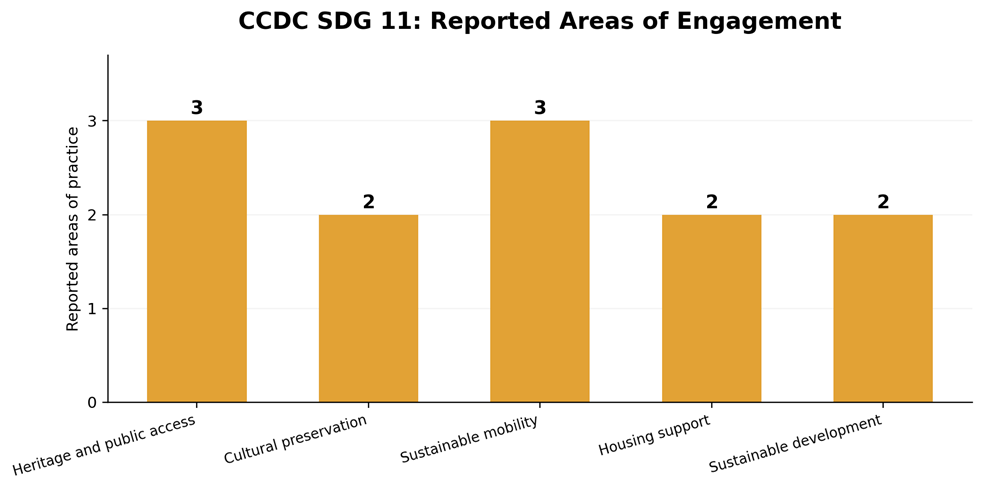
CCDC reports opportunities for the public to access selected facilities and spaces. Its library services support access to learning resources under applicable conditions, while Admiral’s Farm Park offers a setting for recreation and engagement with the natural environment through paid access. These facilities connect the College’s educational mission with the wider community. Because access conditions differ, the College does not characterize all spaces as freely accessible.
Keeping Cordilleran heritage alive
Cultural heritage is central to the identity of the Cordillera. CCDC’s cultural and educational activities help students and community members engage with local history, traditions, and knowledge. Initiatives such as the CORDI 101 culminating celebration have provided opportunities to explore and share Cordilleran heritage. The College also reports arts and heritage programming, including activities associated with History and Literary Month, which connect creative expression with historical awareness and intergenerational learning.
Making movement and campus life more inclusive
The College reports measures to encourage more sustainable commuting and to monitor related targets. It also identifies remote-work arrangements among its approaches to reducing unnecessary travel. Within campus, pedestrian priority and accessibility improvements contribute to a more welcoming environment for learners, employees, and visitors. Such measures reflect the idea that a sustainable campus should be navigable and usable by people with different needs.
Supporting access to housing and thoughtful development
CCDC’s SDG 11 data identify institutional provision of housing for employees and students as areas of support. The College also reports attention to sustainable standards in new building projects and consideration of previously developed land where appropriate. These practices connect day-to-day institutional decisions with wider questions of affordability, resource use, and responsible land development. Further quantitative information would help demonstrate the scale and outcomes of these efforts.
A shared responsibility for sustainable communities
Together, these initiatives show how higher education can contribute to sustainable communities beyond classroom instruction. By sustaining cultural traditions, providing spaces for public engagement, improving accessibility, and considering environmental impacts in campus operations, CCDC seeks to model responsible institutional stewardship. The College’s continuing task is to document participation, improve accessibility, and measure the long-term benefits of these initiatives for students, employees, and surrounding communities.
Reported areas of engagement
Looking ahead
To strengthen future reporting, CCDC can document the number of public users of facilities, attendance at cultural activities, housing beneficiaries, commuting patterns, and measurable results of sustainable building practices. These indicators would complement the institutional commitments already recorded and provide a clearer picture of community impact.
