

Education can help reduce inequalities when opportunities are available to learners from different social, economic, and personal circumstances. In support of Sustainable Development Goal 10, Cordillera Career Development College (CCDC) reports initiatives intended to widen access to higher education, strengthen student support, and foster a campus community where dignity and participation are valued.
Opening Doors to First-Generation College Students
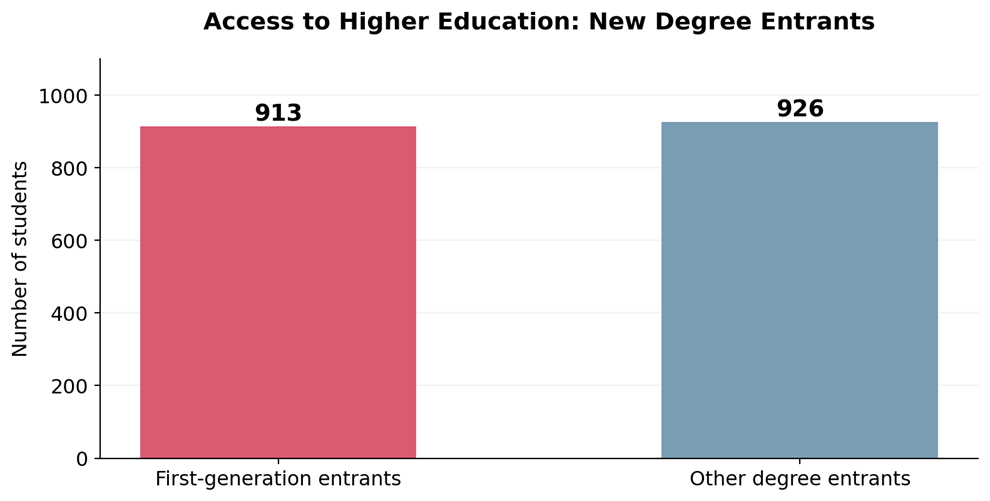
Among 1,839 students starting a degree, 913 were recorded as first-generation entrants, representing 49.6% of the cohort. This is a meaningful measure of educational access, reflecting the presence of students who may be navigating higher education without a family history of degree-level study. CCDC’s reported approach includes tracking applications and admissions from underrepresented groups and taking steps to encourage their participation.
Recognizing Disability Inclusion Across the College
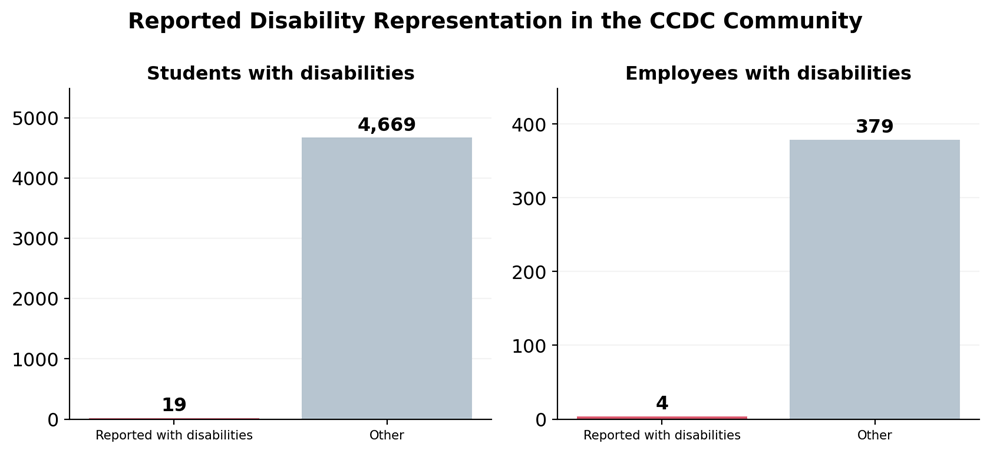
The institutional data record 19 students with disabilities among 4,688 students (approximately 0.4%) and four employees with disabilities among 383 employees (approximately 1.0%). These figures describe recorded representation, not the overall prevalence of disability or the effectiveness of support services. They underline the importance of accessible facilities, responsive services, and reasonable accommodation so that participation in learning and work is not limited by avoidable barriers.
Support That Goes Beyond Admission
Access to college is only one part of educational inclusion. CCDC reports mentoring, counselling, peer support, and targeted assistance for members of underrepresented groups. The Student Services Office is identified in the data as a point of responsibility for students, while Human Resources serves employees. Such support structures are intended to help learners and personnel seek guidance, address concerns, and remain engaged in campus life.
Creating a Respectful and Accessible Campus
The data also identifies institutional measures concerning non-discriminatory admissions, anti-discrimination, anti-harassment, accessible facilities, disability services, and reasonable accommodation. Together, these areas express an institutional direction toward fair treatment and a more inclusive environment. However, several related policy documents are marked as pending, and supporting website articles are listed as drafts or ongoing. Their formal approval, implementation details, and public availability should be confirmed before definitive policy claims are published.
Strengthening Evidence and Sustaining Progress
A stronger picture of progress will come from pairing these reported commitments with documented outcomes: accessibility improvements completed, support programmes delivered, students and employees assisted, and evidence of consultation with underrepresented groups. The data lists international students from developing countries as “N/A”; therefore, this report does not assign a figure or draw a conclusion for that category. By widening pathways into education and paying attention to the needs of people who may face barriers, CCDC can contribute to a more equitable campus and community. Its continuing work on access, support, and inclusive institutional practice reflects the central aim of SDG 10: ensuring that opportunities for learning, participation, and development extend to everyone.
