
Cordillera Career Development College (CCDC) continues to expand access to education beyond formal enrollment by making learning resources, campus facilities, and educational opportunities available to the wider community. Through its Lifelong Learning Office, community partnerships, shared institutional facilities, and publicly accessible digital library resources, the College supports learning opportunities for individuals who are not formally enrolled in its academic programs.
Developing Free Learning Opportunities and Microcredential Pathways
CCDC recognizes that lifelong learning extends beyond conventional degree programs. Community members, working professionals, out-of-school youth, parents, local officials, and other interested individuals may benefit from practical learning opportunities that respond to their professional and personal development needs.
The College has established a Lifelong Learning Office to coordinate and develop continuing education, skills enhancement, and community-based learning. It has begun developing an institutional microcredentialing framework to support shorter, competency-focused learning pathways. The College is currently preparing documentary requirements for application to the Commission on Higher Education (CHED).
The microcredentialing initiative remains in its preparatory stage and should not yet be described as CHED-approved or as an operational system of recognized microcredentials. Meanwhile, CCDC continues to offer community-based educational activities through extension programs, training sessions, seminars, and institutional partnerships.
Opening Campus Facilities for Community Learning, Sports, and Public Service
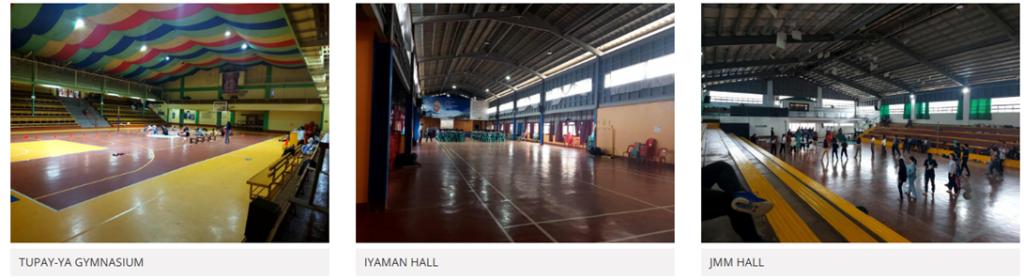
CCDC supports lifelong learning by allowing external organizations, educational institutions, government agencies, and community groups to use selected campus facilities for educational, athletic, cultural, and public-service activities. Its Tupay-ya Gymnasium, Admirals Gym, JMM Hall, and Iyaman Hall have accommodated activities involving people who are not formally enrolled at the College.
On April 27, 2025, CCDC hosted the opening of the second phase of BBEAL Season 35 at the Admirals Gym, bringing together student-athletes and representatives of participating higher education institutions across Baguio and Benguet. CCDC facilities also hosted the opening of BBEAL Season 36 on October 18, 2025, attended by delegations from regional institutions. These activities supported sportsmanship, teamwork, and interinstitutional cooperation.
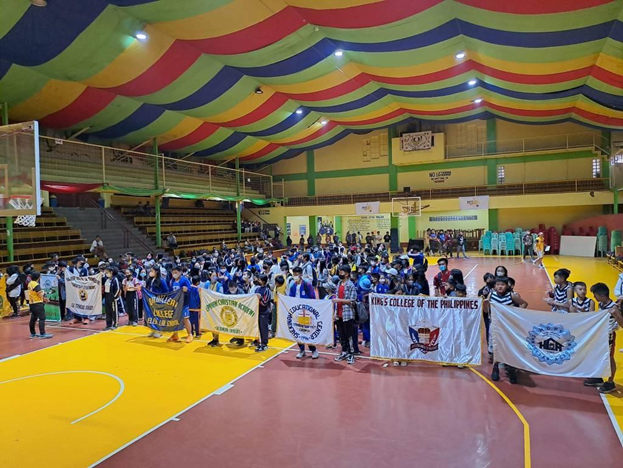
In early 2024, CCDC’s campus bustled with young athletes during the Department of Education’s Annual Benguet Provincial Athletic Meet. From February 7 to March 2, 2024, the college’s facilities – including JMM Hall, Iyaman Hall, and the Tupay-ya Sports Complex (the main gymnasium) – were abuzz with basketball games, volleyball matches, and combative sports competitions featuring student-athletes from all over the province. By providing these venues, CCDC enabled thousands of students to showcase their talents and sportsmanship without leaving Benguet. This annual meet not only fosters healthy competition and wellness among the youth, but also strengthens camaraderie across different towns. Coaches, parents, and local supporters filled the bleachers of CCDC’s gym, cheering on their teams and appreciating the college’s spacious, well-maintained facilities. The event’s success underscored how an accessible venue can inspire youth development and bring communities together – all thanks to CCDC’s public-spirited gesture of opening its doors.
Beyond formal school meets, CCDC’s sports facilities often accommodate other athletic events and training that benefit the community. Local martial arts tournaments and regional sports clinics have found a home in venues like JMM Hall, demonstrating the college’s willingness to encourage emerging talents. The campus’s location in La Trinidad makes it an ideal central site for Benguet-wide activities, saving participants from long travels. By sharing its courts, halls, and fields, CCDC actively promotes physical fitness and teamwork among the youth. Such accessible venues ensure that even those from remote parts of the province can compete and collaborate in a safe, neutral ground. In turn, this nurtures a culture of wellness and active living – a public service in its own right. The province’s sports officials and educators recognize CCDC as a reliable partner in youth sports, often looking to the college when planning large events. Every game or tournament held at CCDC carries an implicit lesson: that investing in the next generation’s growth and health is a community effort, and educational institutions like CCDC are leading the way.
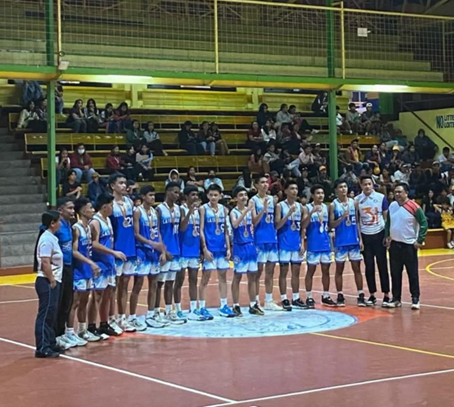
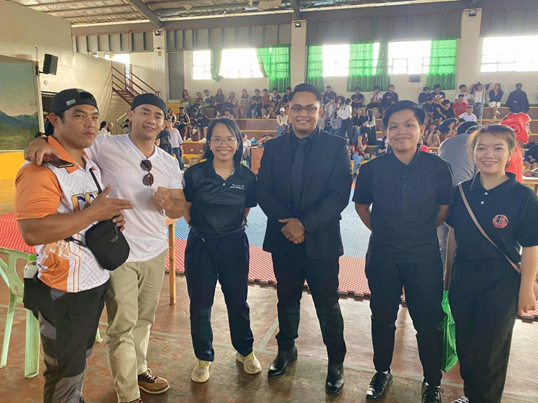
Figure 2. Participants of the provincial meet
Supporting Cultural Activities and Regional Heritage
CCDC’s commitment to community engagement extends to cultural and arts events as well. In 2024, the college literally rolled out the red carpet for regional pageantry. It hosted the Mister Grand Philippines – Cordillera grand coronation night on September 28, 2024 – free of charge. The college gymnasium transformed into a dazzling pageant stage, complete with lights and festive decor, to celebrate Cordilleran tourism, talent, and cultural heritage. By offering its venue for free, CCDC demonstrated that it values cultural promotion as much as sports. Pageant organizers noted that holding the event at CCDC’s gym not only provided a spacious indoor setting for contestants and audiences, but also lent the event a sense of community warmth. Spectators from different provinces in the Cordillera flocked to La Trinidad to witness the coronation, filling the gymnasium with applause and ethnic pride. The pageant’s goal was to promote Cordillera’s rich culture and tourism, and CCDC’s venue played a key role in its success. Local leaders and tourism advocates lauded the college for supporting this regional collaboration – the event united participants from Benguet, Ifugao, Mountain Province, and beyond, all under one roof.
By being a stage for culture and heritage, CCDC helps keep local traditions alive and accessible. Its multi-use halls like Iyaman Hall and JMM Hall can easily be converted into auditoriums for dance recitals, cultural shows, or art exhibits. “Iyaman,” which means “thank you” in the Ibaloi dialect, is a fitting name for a hall that has witnessed countless community gatherings and celebrations. The gratitude is mutual: cultural groups are thankful for an accessible venue, and CCDC is grateful to be part of preserving Cordilleran identity. These events imbue the campus with color and music, allowing the public – young and old – to experience cultural richness without needing to travel far or spend on expensive venues. CCDC’s community-centered approach ensures that culture is not confined to museums or distant festivals, but thrives in everyday communal spaces like a college gym. Whether it’s a pageant promoting regional pride or a folk dance competition among local schools, the college’s facilities stand ready to host and inspire. Each cultural event held at CCDC strengthens communal bonds and reminds everyone that the campus is, indeed, a shared space for celebrating who they are.

Supporting Education and Public Service Activities
CCDC’s generosity with its facilities also bolsters educational and public service initiatives in the region. Government agencies and organizations frequently partner with the college to reach the community. For instance, the Philippine Army turned to CCDC as a host for its aptitude testing program. In 2024, the Army Personnel Management Center, through the Army Recruitment Office Luzon, conducted a Philippine Service Aptitude Test (PSAT) for aspiring soldiers right on CCDC’s campus – utilizing the college’s venue free for five days (approximately 40 working hours). Over 100 applicants from Benguet and nearby areas arrived to take the exams and undergo assessments in CCDC’s halls. The quiet, orderly environment of the college provided an ideal setting for this important public service examination. By waiving venue fees and accommodating the Army’s needs, CCDC helped lower the logistical barriers for local youth pursuing a career in the armed forces. This collaboration highlights CCDC’s role in regional collaboration and public service: the school isn’t isolated from the real world, but actively welcoming it inside. The presence of uniformed personnel and eager applicants on campus for nearly a week was a visible reminder of how educational institutions can partner with government services to benefit citizens.
Education-focused gatherings also find a home at CCDC. The college’s halls have been used for seminars, workshops, and even regional conferences aimed at uplifting the youth. A notable example was when the Commission on Higher Education – CAR (CHED-CAR) chose CCDC as the venue for a Tertiary Education Subsidy Congress on December 6, 2024. This congress brought together around 250 student-grantees from across the Cordillera region to discuss leadership, innovation, and technology in education. CCDC’s JMM Hall was filled with young scholars eager to learn and collaborate, embodying the theme “Shaping Tomorrow’s Leaders; Empowering TES Beneficiaries through Innovation and Technology.” By hosting this important forum, CCDC contributed to shaping future leaders and showed that its facilities can double as conference centers for the greater good of education. Participants noted the convenience of a neutral central venue and the welcoming atmosphere provided by the college staff. Events like these reinforce CCDC’s mission of “bringing quality education closer to the people,” a guiding principle the school proudly upholds in practice.

A Campus at the Heart of the Community
All these examples highlight a common theme: CCDC has positioned itself as a community-centered campus truly at the heart of Benguet life. Physically, the campus’s location in La Trinidad (just a few kilometers from Baguio City) makes it easily accessible. Commuters can reach it via major roads, and its Western Buyagan address is well known. Parking and open spaces around the campus accommodate large crowds during big events, ensuring accessibility is never an issue. For many in Benguet, the college is a convenient gathering place – a neutral ground that’s neither too far upland nor too urban.
Importantly, CCDC’s leadership actively encourages this openness. The school administration views community engagement not as a disruption, but as part of their educational mandate. College President Sherry Junette Tagle and other officials often emphasize social responsibility and inclusivity. In fact, CCDC is a non-stock, non-profit institution, and this ethos of service permeates its operations. By lending facilities for free or minimal cost, the college invests in goodwill and trust with the public. Local government units, non-profits, and regional organizations know they have an ally in CCDC when planning events that benefit the public. This partnership mindset has led to recurring collaborations – annual events like the provincial sports meet are now eagerly anticipated fixtures at the campus. CCDC staff and students often volunteer during these events, further blending the line between “school” and “community.” For instance, student organizations help marshal sporting events, and nursing students volunteered during vaccination drives, gaining real-world experience while exemplifying community service values.
Every basketball shot made in the gym during a tournament, every cultural dance performed on the JMM Hall stage, and every certificate of appreciation handed to CCDC for its support tells a story of collaboration and mutual growth. The college’s facilities have become more than just buildings – they are symbols of unity in Benguet. Students take pride in knowing their campus is a go-to venue for important happenings. Likewise, locals feel a sense of ownership and comfort when stepping into CCDC’s halls for a seminar or stepping onto its field for a fun run. This two-way relationship enriches the educational environment as well: students learn the importance of community involvement, and community members get a glimpse of campus life, potentially inspiring them or their children to pursue further education.
Building Community Through Shared Spaces
Cordillera Career Development College’s approach to sharing its sports and multi-use facilities with the public underscores a powerful message: education and community progress go hand in hand. By turning gymnasiums and halls into communal venues, CCDC has enhanced the social fabric of Benguet in multiple dimensions. Sports events held at the college promote healthy lifestyles and youth empowerment. Cultural and artistic shows staged on campus elevate regional pride and heritage. Educational congresses and government programs hosted in CCDC halls spread knowledge and opportunities, advancing regional collaboration and development. Public service uses – from health drives to legal clinics – improve the well-being and rights awareness of ordinary citizens. All of these contribute to a more vibrant, resilient, and united community.
Expanding Free Access to Online Educational Resources
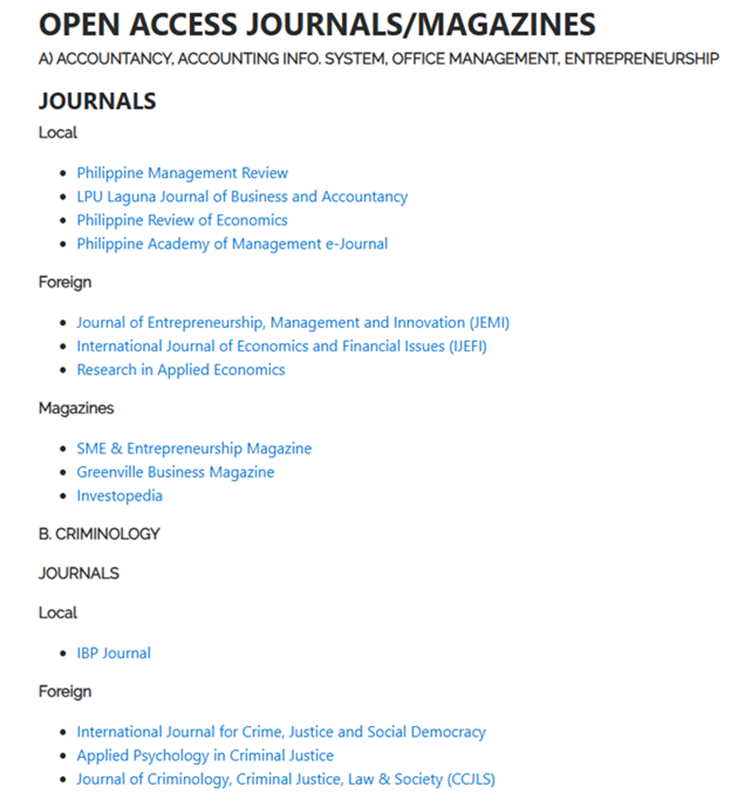
Recognizing that access to knowledge should not be limited to physical classrooms, the CCDC Library has expanded its digital learning resources through its official website.
Beginning in 2023, the Library developed a curated collection of electronic resources, including academic journals, magazines, open-access books, and research databases covering disciplines such as business, criminology, education, hospitality management, nursing, social work, and law.
The Library’s published initiative, CCDC Library Expands Access with Curated Free Electronic Resources, highlights its commitment to improving access to credible academic information.
Through its publicly accessible Library Services webpage (https://ccdc.edu.ph/student-services/library-services), individuals outside the College can find links to a variety of free learning and research resources.