

Cordillera Career Development College (CCDC) recognizes that responsible energy use is integral to sustainable education and community development. Guided by Sustainable Development Goal 7, the College reports institutional measures intended to improve energy efficiency, reduce carbon-related impacts, and encourage wider awareness of clean-energy practices. Its approach connects campus operations with education, service, and engagement beyond the school.
Building a More Energy-Conscious Campus
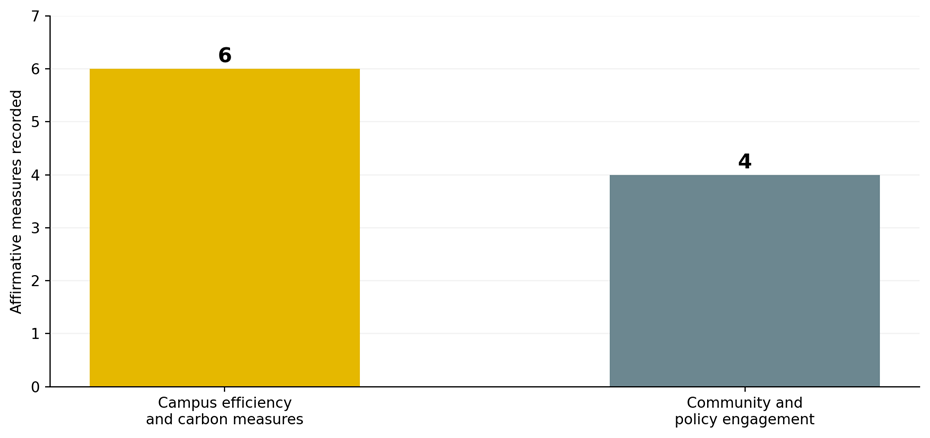
CCDC reports having policies and plans that address energy efficiency in new construction, renovations, and existing facilities. These measures include planned upgrades to improve building performance and an institutional energy-efficiency plan intended to reduce overall consumption. Energy reviews are also reported as a way to identify areas where avoidable energy use may occur. Together, these measures establish a basis for more informed facilities management and resource conservation.
Monitoring Energy Use and Low-Carbon Sources
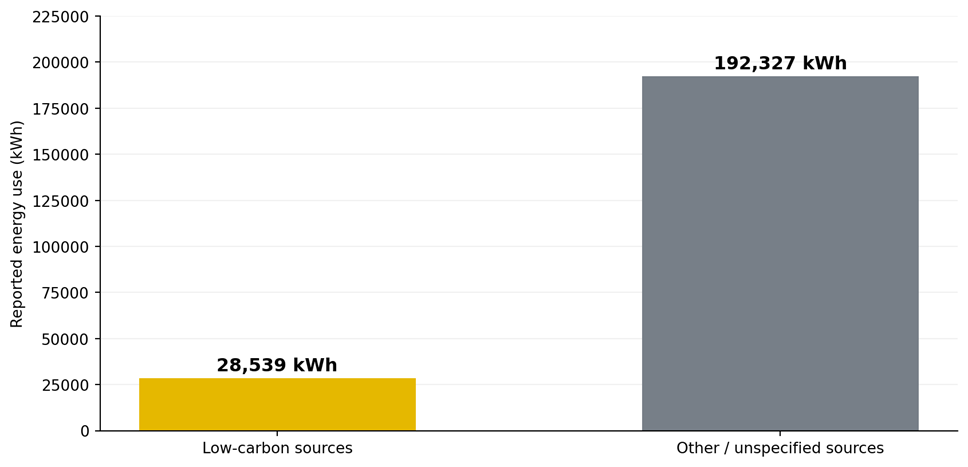
The institutional data collection records 220,866 kilowatt-hours (kWh) of total energy use, including 28,539.09 kWh from low-carbon sources. Low-carbon sources therefore account for approximately 12.9% of the reported kWh total, with the remainder categorized here as other or unspecified sources. This distribution offers a baseline for tracking the institution’s future progress toward cleaner energy use. The data separately reports 741.12 gigajoules of energy use and 21,279.50 square meters of university floor space for an energy-density measure; these figures should be reconciled with the kWh series before publication as a single unified energy total.
Carbon Management and Responsible Investment
Beyond energy-saving measures, CCDC reports a process for managing carbon emissions and a policy position on divestment from carbon-intensive energy industries. Such institutional commitments reflect an intention to consider the environmental implications of both campus operations and financial decision-making. Their impact will be clearer as the College develops consistent year-to-year records of emissions, energy performance, and policy implementation.
Extending Energy Awareness Beyond the Campus
The College also reports community-oriented activities that promote energy efficiency and clean energy. These include public learning opportunities, free energy-efficiency support for local industry, advocacy for renewable energy, and engagement in clean-energy policy discussions at several levels. These initiatives position CCDC as an educational partner in encouraging energy-conscious decisions in households, enterprises, and communities. The data records no affirmative activity for assistance to low-carbon start-ups, identifying a possible area for future development.
Moving Forward
CCDC can strengthen its SDG 7 contribution by documenting the reach and outcomes of community programmes, recording annual electricity and fuel consumption consistently, and tracking measurable savings from building improvements. A clearer breakdown of low-carbon energy sources, alongside energy intensity and emissions trends, would make future reports more informative. Through continued planning, responsible operations, and partnerships, the College seeks to help build a more energy-efficient and environmentally aware community.
