

While the Philippines has made progress in reducing poverty, economic constraints remain a barrier for many families seeking to provide their children with a college education. The declining national figures on family poverty incidence in the country reflect progress, but they also underscore the continuing need to ensure that economic circumstances do not prevent young people from pursuing higher education.
Located in La Trinidad, the capital municipality of Benguet—a province widely known for its vegetable farming—Cordillera Career Development College (CCDC) serves learners from communities where access to higher education may be shaped by household income, distance, and the cost of daily living.
The College recognizes that opening its doors to students from diverse backgrounds is only the beginning. For those from low-income families, the journey to graduation may also depend on access to food, safe housing, transportation, financial assistance, and support for personal and academic challenges.
Through programs that respond to these needs, CCDC works to make higher education more accessible and attainable—not only by helping students enroll, but also by supporting them as they work toward completing their degrees.
Guidance Office’s Ayowan Program: Caring Beyond the Classroom
The CCDC Ayowan Program embodies the College’s commitment to holistic student development. Recognizing that financial hardship, academic demands, and personal difficulties can affect a student’s ability to remain in school, the program extends support beyond the classroom to address learners’ financial, emotional, academic, and social needs.
Through financial interventions, mental health and counseling services, peer mentorship, and tutorial programs, Ayowan helps students manage the challenges of college life and continue working toward their educational goals.
In 2025, approximately 308 students availed themselves of free services under the Ayowan Program, with support from around 31 volunteer counselors, peer tutors, and mentors. Their collective efforts reflect a caring campus community where students can seek guidance, receive assistance, and find encouragement when circumstances make pursuing a degree difficult.
By addressing challenges that may affect students’ ability to continue studying, Ayowan helps strengthen the support system surrounding them throughout their college journey.
Housing Assistance: Easing the Cost of Staying in School
For students coming from remote communities and low-income households, the cost of accommodation and daily living can place additional pressure on already limited family resources. Recognizing this challenge, CCDC provides free housing support to deserving students, helping reduce one of the expenses that can make college difficult to sustain.
Seventy nine (79) CCDC students have received full and free housing support while taking on responsibilities as caretakers of school facilities after regular school hours. Their duties include helping maintain campus cleanliness and security, while some also participate in school sports activities.
This arrangement combines practical assistance with opportunities to develop responsibility, service, and a sense of belonging to the College community. More importantly, it helps deserving students manage their living expenses so they can devote greater attention to their studies and other educational pursuits.
Community Legal Aid Center: Making Justice Accessible
Financial difficulties are not the only challenges students and their families may face. Legal concerns can also create additional burdens, particularly for those who cannot readily afford professional legal assistance.
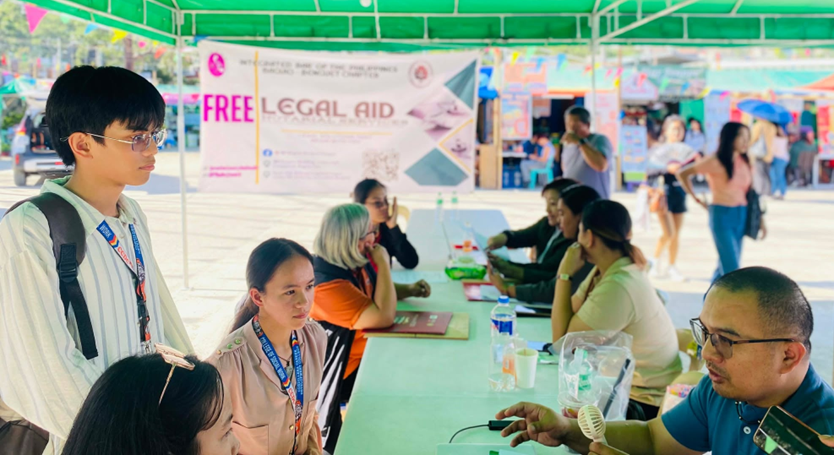
Through the CCDC College of Law and its Juris Doctor program, the College extends its commitment to public service through the Community Legal Aid Center (CLAC). Located on campus, the Center provides free legal services to students, employees, and members of the surrounding community who need assistance but may lack the resources to obtain it.
In 2025 alone, the CLAC served 155 students, providing legal assistance and helping clients better understand their rights and available remedies. This number does not include members of the community who have availed of free legal services conducted in campus and in various communities.
By making legal services more accessible, CCDC helps address concerns that may affect students’ well-being and their families’ capacity to sustain their education. The Center also demonstrates how the College’s academic programs can extend beyond instruction to provide meaningful services to the wider community.
CCDC Medical and Dental Clinic: Nurturing Campus Health and Wellness
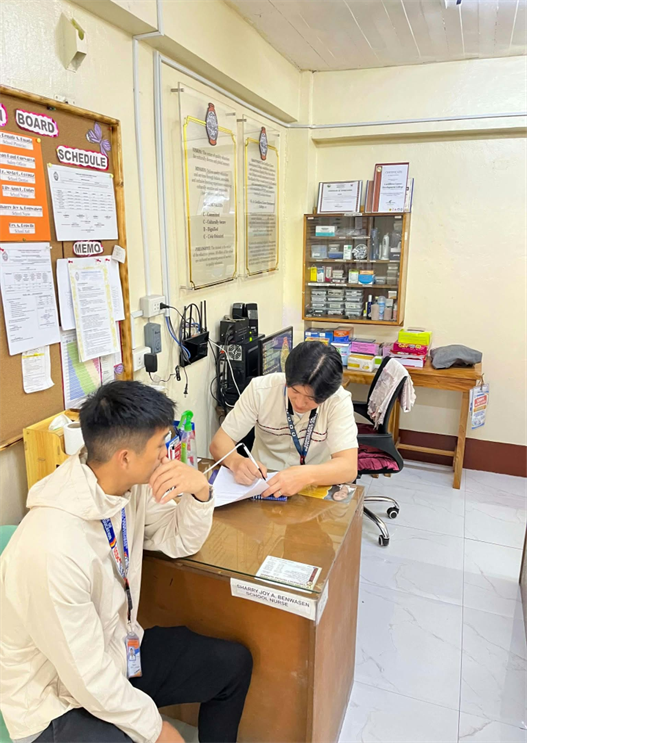
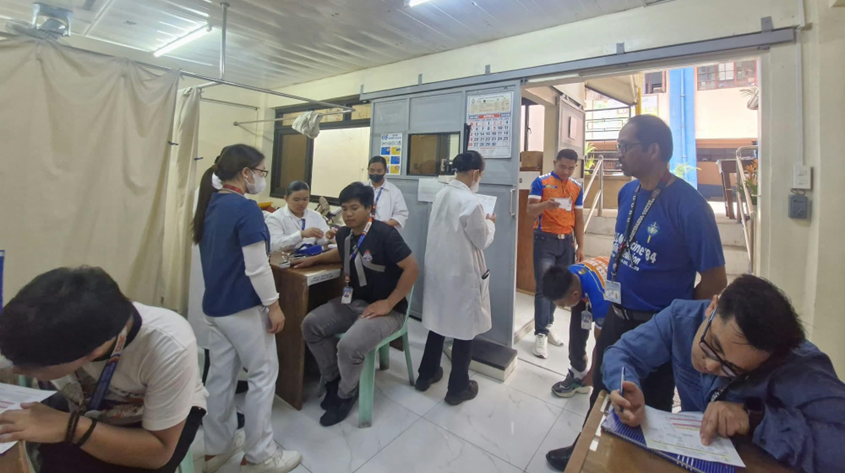
The CCDC Medical and Dental Clinic, open for 12 hours a day, 6 days a week is the center of health promotions and disease prevention in the campus. In 2025, it catered to 360 students with dental problems and concerns, and 1561 students with medical and health concerns, totaling its services to 1,921 students who needed free medical and dental care.
This number does not include regular and routine check-ups for all students and employees annually.
From Admission to Graduation: Support That Makes a Difference
For CCDC, widening access to higher education means more than making enrollment possible. Students must also be able to meet the practical demands of college life—from securing food and accommodation to managing transportation expenses, coping with academic pressures, and addressing personal difficulties.
Through the free Ayowan Program, housing assistance, community legal services, welcoming medical and dental clinic, and other reliable student support initiatives, CCDC works to ease these burdens and help learners remain in school. Each initiative addresses a different need, but all contribute to a shared goal: giving students a better opportunity to pursue their education and complete their degrees, regardless of their economic circumstances.
CCDC recognizes that students’ journeys are shaped by different circumstances and that support must extend beyond the classroom to respond to these realities. By combining educational access with practical assistance and a culture of care, the College seeks to make the path from enrollment to graduation more attainable for students who might otherwise struggle to continue.
As CCDC continues its legacy of service, it remains committed to bringing quality education closer to the people—not only by opening the doors of the College, but by helping students overcome the barriers that may stand between their aspirations and graduation.
