
November 11, 2026 | Lyncee Mae C. Pascual
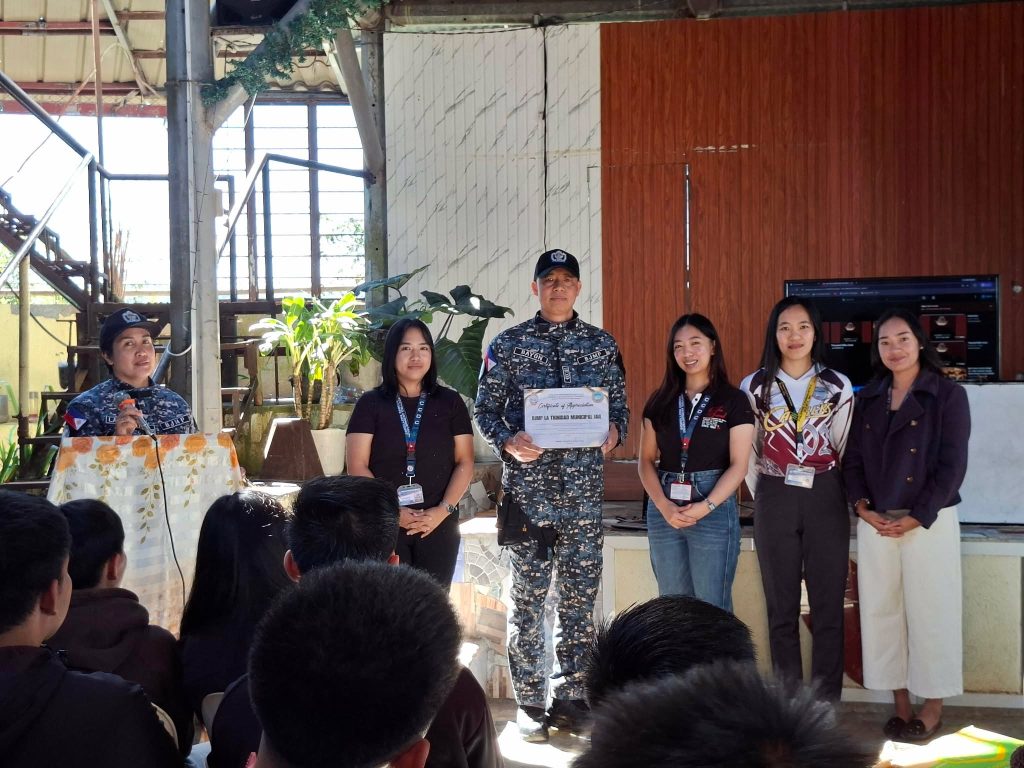
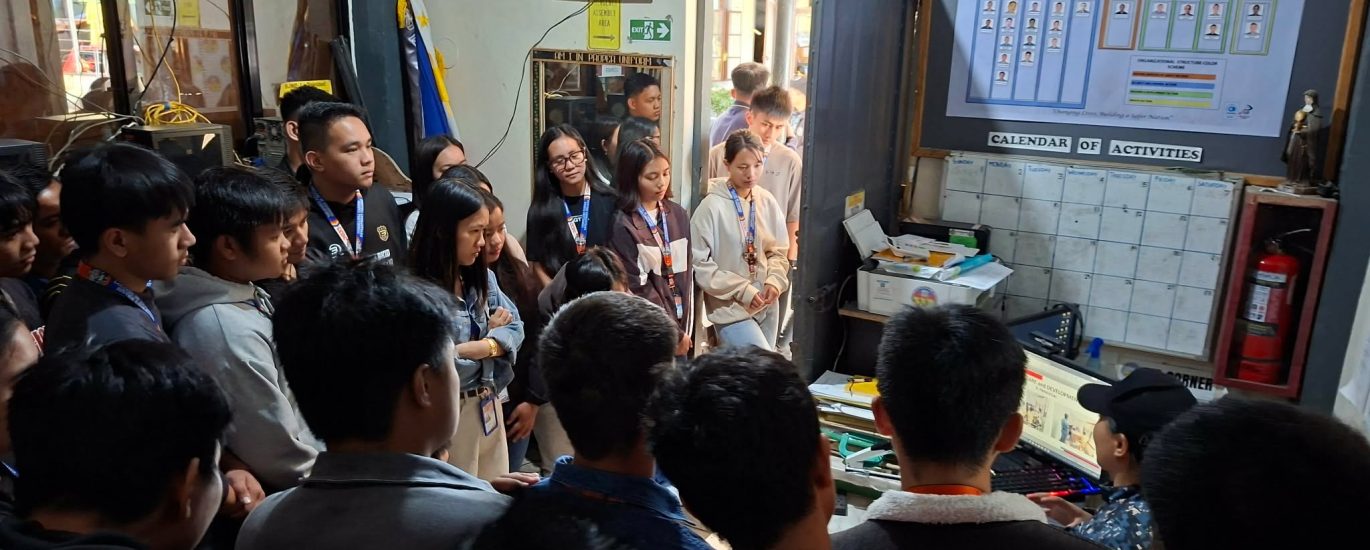
In an effort to bridge classroom learning with actual correctional practices, third-year Criminology students, under the subject CA1 – Institutional Corrections, conducted an educational jail visitation and community extension activity at the Bureau of Jail Management and Penology (BJMP)-La Trinidad and Benguet Provincial Jail (BPJ) on November 7, 2026.
The activity provided students with an opportunity to observe the actual jail environment, understand the daily experiences of Persons Deprived of Liberty (PDLs), and gain firsthand knowledge of the processes, programs, and rehabilitation efforts implemented within correctional facilities.
Through the facility orientation, discussions, and guided visitation, students were introduced to the living conditions of PDLs, their daily routines, recreational activities, and livelihood programs. They also gained a deeper understanding of the importance of correctional management, discipline, humane treatment, and the implementation of international standards, including the Nelson Mandela Rules, Bangkok Rules, and Havana Rules.
One of the most meaningful experiences for the students was witnessing how PDLs spend their time productively through various activities, including making bags, flowers, and candles. They also had the opportunity to observe recreational areas and witness the talents and performances of PDLs, giving them a different perspective on the individuals behind the walls. Beyond the procedures and facilities, the visitation encouraged students to reflect on the five pillars of the Philippine Criminal Justice System. Their reflections particularly highlighted the challenges faced by the Community Pillar, especially in ensuring the successful reintegration of former PDLs into society.
Students recognized that rehabilitation does not end upon release. Even when former PDLs are given employment opportunities and a chance to rebuild their lives, challenges such as social stigma, lack of acceptance, limited support, and the possibility of returning to criminal behavior remain. This realization emphasized that the responsibility of rehabilitation extends beyond correctional institutions and requires the active participation of families, communities, employers, and society as a whole.
The students’ testimonies further demonstrated how the activity transformed their understanding of institutional corrections. One student shared: “The jail visitation teaches me to value my freedom and to see inmates as real people who still deserve kindness and a second chance.” Another emphasized the importance of recognizing human dignity, stating that the experience showed how essential
humane treatment is to rehabilitation despite the challenges within the correctional system.
For some, the most significant lesson was gaining an actual understanding of the difficulties experienced by individuals inside correctional facilities. Seeing their living conditions and daily routines made them appreciate their freedom, families, and opportunities outside the jail.
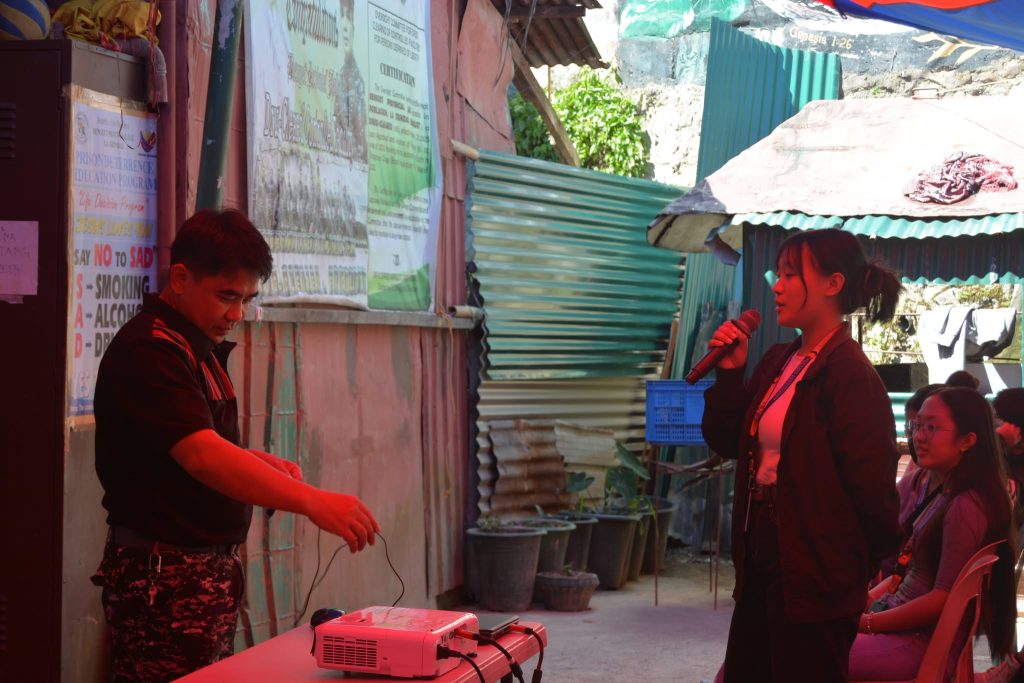
One student also shared a memorable message encountered during the visitation: “Say no to SAD (Smoke, Alcohol and drugs), say yes to Christ.” This served as a reminder of the importance of faith, hope, and positive transformation, even in challenging circumstances.
The activity also provided students with a more practical understanding of correctional procedures and the treatment of PDLs, allowing them to connect the concepts discussed in their classroom lessons with actual institutional practices. Following the educational visitation, the students also participated in a community extension initiative, reinforcing the value of service, compassion, and social responsibility among future criminology professionals. Overall, the activity served as a reminder that institutional corrections is not merely about confinement, discipline, and security. It is also about restoring human dignity, providing opportunities for transformation, and preparing individuals for their eventual return to society.
As future criminologists, the students were reminded that every person deprived of liberty remains a human being deserving of respect, humane treatment, and an opportunity for a better future.
Beyond the walls of correctional institutions lies another responsibility, ensuring that those who are given a second chance are also welcomed by the communities to which they return.