

By Solomon Sagandoy
Workshop on positive psychology and strength-based approaches brings self-awareness, emotional regulation, and purposeful learning into internship preparation.
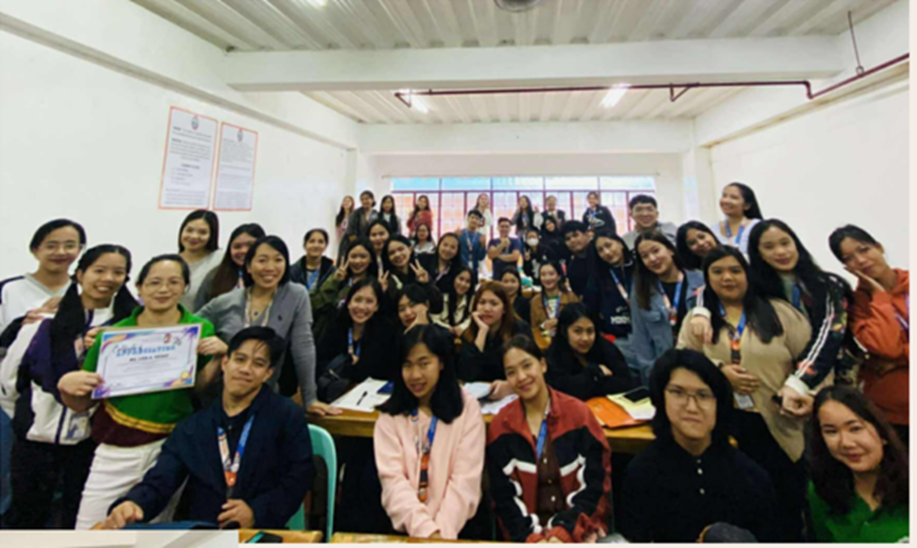
Preparing future social workers involves more than developing the skills to assist others. It also means creating opportunities for students to understand themselves, recognize their strengths, and reflect on how they respond to challenges. With this focus, the College of Social Work at Cordillera Career Development College (CCDC) conducted a workshop on “Positive Psychology and Strength-Based Approach” on July 18, 2025, at Room 511, JMM Building. Organized by the Social Work faculty as part of the college’s co-curricular enrichment program, the activity brought together 44 incoming social work interns.
Through interactive discussions and experiential activities, the workshop connected professional preparation with the personal resources students would bring into field practice. Participants explored ways to approach difficulties, manage emotions, build meaningful relationships, and pursue goals with a clearer sense of purpose.
Recognizing Strengths and Possibilities
The workshop was facilitated by Ms. Liza Ngiao, a Guidance Services Specialist at the University of the Philippines Baguio. Her sessions introduced psychological frameworks that encouraged students to examine their attitudes toward learning, their responses to setbacks, and their capacity for personal growth.
Among the concepts discussed were growth and fixed mindsets, drawing on Carol Dweck’s work, and a framework presented as GRIT: Growth Mindset, Resilience, Emotional Regulation, Tenacity, and Purpose-Driven Goals. These discussions invited students to consider how they could approach unfamiliar situations and remain purposeful as they prepared for internship responsibilities.
The strength-based emphasis encouraged attention to capacities and possibilities rather than limitations alone. Within the workshop, this perspective connected the students’ understanding of themselves with their preparation to recognize and work with the strengths of others.
Connecting Personal Readiness with Professional Learning
Ms. Ngiao also introduced the PERMA Plus model, discussing positive emotion, engagement, relationships, meaning, and accomplishment, alongside additional dimensions such as physical health and mindfulness. The session broadened the conversation about readiness beyond academic performance to include the everyday experiences and relationships that shape how students learn and engage with others.
Discussions on stepping outside comfort zones, developing habits, and maintaining consistency encouraged participants to reflect on their routines and goals. Practical prompts for taking action and overcoming hesitation complemented the workshop’s emphasis on reflection, giving students opportunities to consider how its lessons might translate into daily practice
Together, these topics placed personal development within professional formation. The workshop made space for students to think about not only what they hoped to accomplish during fieldwork, but also how they would respond to its demands.
Learning Through Connection
Experiential activities brought the discussions into a shared learning environment. An icebreaker called POPCOMDRAM encouraged expressive movement, creativity, and teamwork, allowing participants to engage with one another beyond the usual classroom format.
An emotional regulation activity described as the “40-second hug” also formed part of the session. The activity foregrounded human connection within the workshop’s discussion of stress management, complementing the broader emphasis on relationships and emotional awareness.
These exercises gave connection a practical place in internship preparation. Alongside individual reflection, students participated in activities that invited interaction, expression, and shared experience.
Carrying Insights into Field Practice
Participants identified the workshop’s relevance to their upcoming internships. Ms. Bea Gamonnac and Ms. Klel Buyucan shared that the insights gained would help them manage stress and better understand client behavior in real-world settings. Their reflections indicated how students expected to apply the session’s lessons as they moved from classroom learning to field engagement.
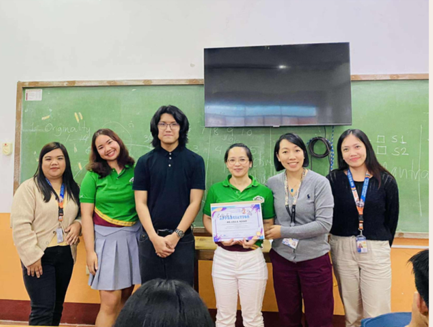
The activity concluded with the awarding of certificates to the speaker and facilitators. Organizers also noted the need for a larger venue for future sessions, identifying a practical consideration for subsequent activities. By bringing self-awareness, emotional regulation, relationships, and purpose into its preparatory program, CCDC’s College of Social Work gave incoming interns an opportunity to consider the person behind the developing practitioner. The workshop affirmed an important dimension of learning to serve: recognizing one’s own strengths and needs while preparing to respond thoughtfully to those of others.
