

By Solomon Sagandoy
Opening Pathways for Women in Criminal Justice Education Through Recruitment and Outreach
Cordillera Career Development College (CCDC) continues to promote gender equality in higher education by encouraging women to explore academic disciplines and professional careers traditionally associated with men. Through institutional recruitment campaigns, career guidance, and educational outreach, the College supports inclusive access to educational opportunities and challenges traditional gender expectations in career choices.
One of the academic programs through which these efforts are demonstrated is the Bachelor of Science in Criminology, offered by the College of Criminal Justice Education (CCJE). The program prepares students for professional opportunities in law enforcement, criminal investigation, forensic science, public safety, correctional administration, and community protection.
As part of its admission and recruitment initiatives, CCDC promotes the BS Criminology program through informational materials and career guidance activities designed to introduce prospective students to its academic requirements, practical training opportunities, and professional pathways. Its recruitment materials highlight career opportunities in agencies such as the Philippine National Police, National Bureau of Investigation, Bureau of Fire Protection, Bureau of Jail Management and Penology, and Bureau of Corrections, as well as opportunities in forensic services, private investigation, and other criminal justice-related professions.
Beyond disseminating recruitment materials, CCDC conducts career guidance and outreach activities encouraging prospective students, including women, to consider Criminology as a viable academic and professional pathway. These initiatives aim to broaden students’ understanding of criminal justice professions, challenge the perception that law enforcement and public safety careers are exclusively suited to men, and encourage female applicants to pursue opportunities aligned with their interests, abilities, and aspirations.
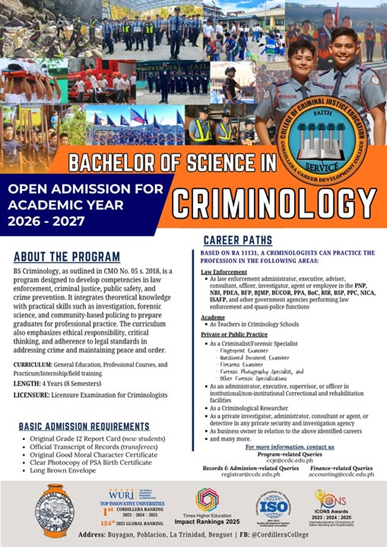
CCDC’s recruitment material highlights the program’s academic preparation, admission requirements, and diverse career opportunities in criminal justice and public safety. The material supports the College’s broader recruitment and outreach efforts encouraging prospective students, including women, to pursue Criminology regardless of traditional gender expectations.
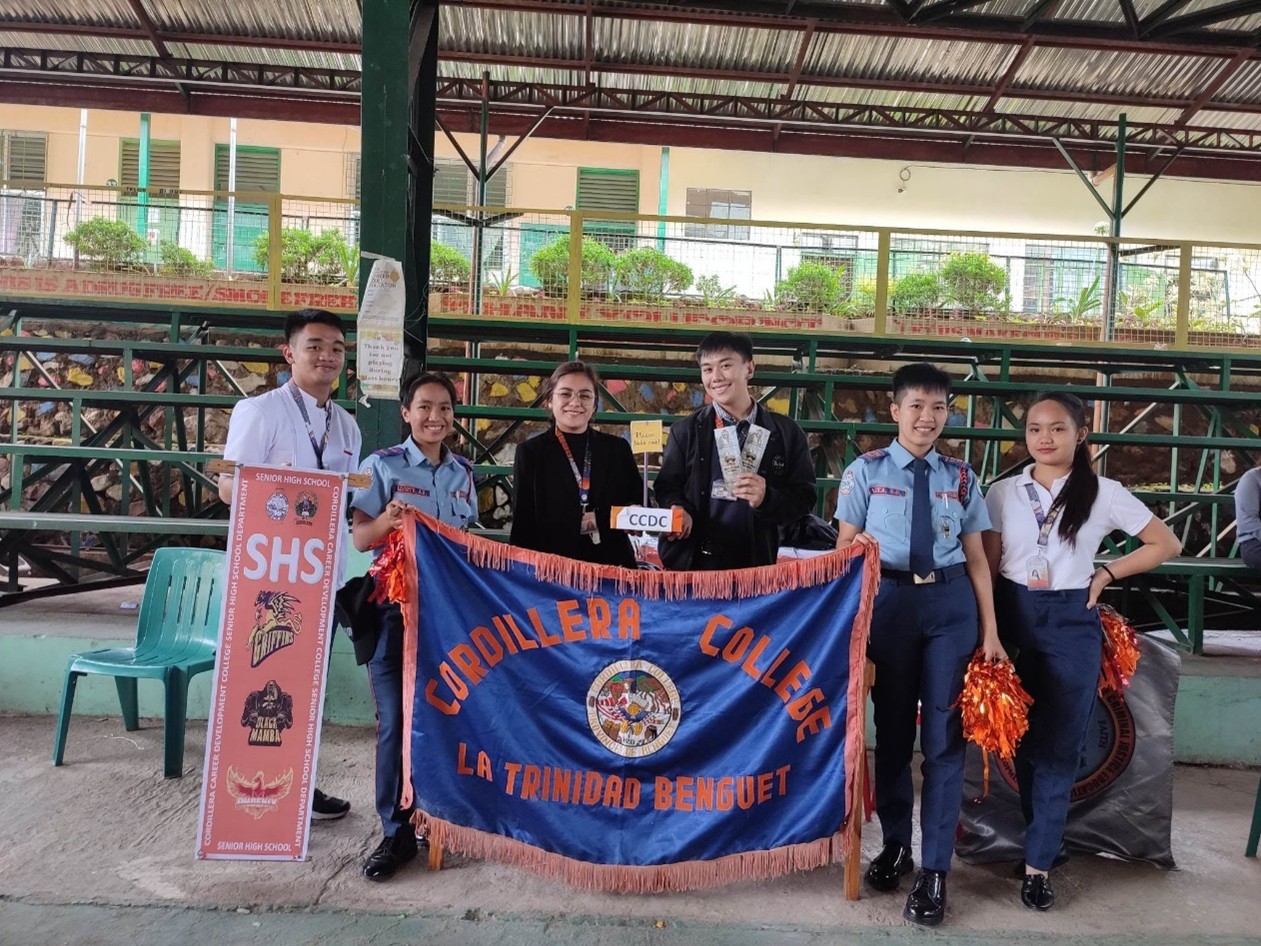
CCDC representatives engage prospective students through career guidance and recruitment activities, promoting academic opportunities and encouraging women to consider traditionally male-dominated fields such as Criminology.
Promoting Gender Sensitivity and Inclusive Leadership Through External Partnerships
CCDC’s commitment to gender equality is further reflected in its collaboration with government agencies, police personnel, and community organizations in activities promoting gender sensitivity and leadership.
One documented initiative involved CCDC Criminology interns participating in a Gender and Development (GAD) and Leadership Lecture alongside personnel from the Lubas Police Force Volunteer Program and barangay officials.
The activity was led by PEMS Freddie Langpawan, together with Lubas barangay officials headed by Punong Barangay Milagros T. Familan. The lecture was conducted by Edna Tabanda and focused on leadership awareness, gender sensitivity, and stronger community cooperation.
The activity provided Criminology interns with opportunities to engage in discussions on gender-responsive leadership and the importance of inclusive participation in public service.
These learning experiences reinforce the understanding that leadership, law enforcement, and community protection are responsibilities that can be undertaken by individuals regardless of gender.
The collaboration demonstrates CCDC’s engagement with government and community partners in advancing gender awareness within criminal justice education.
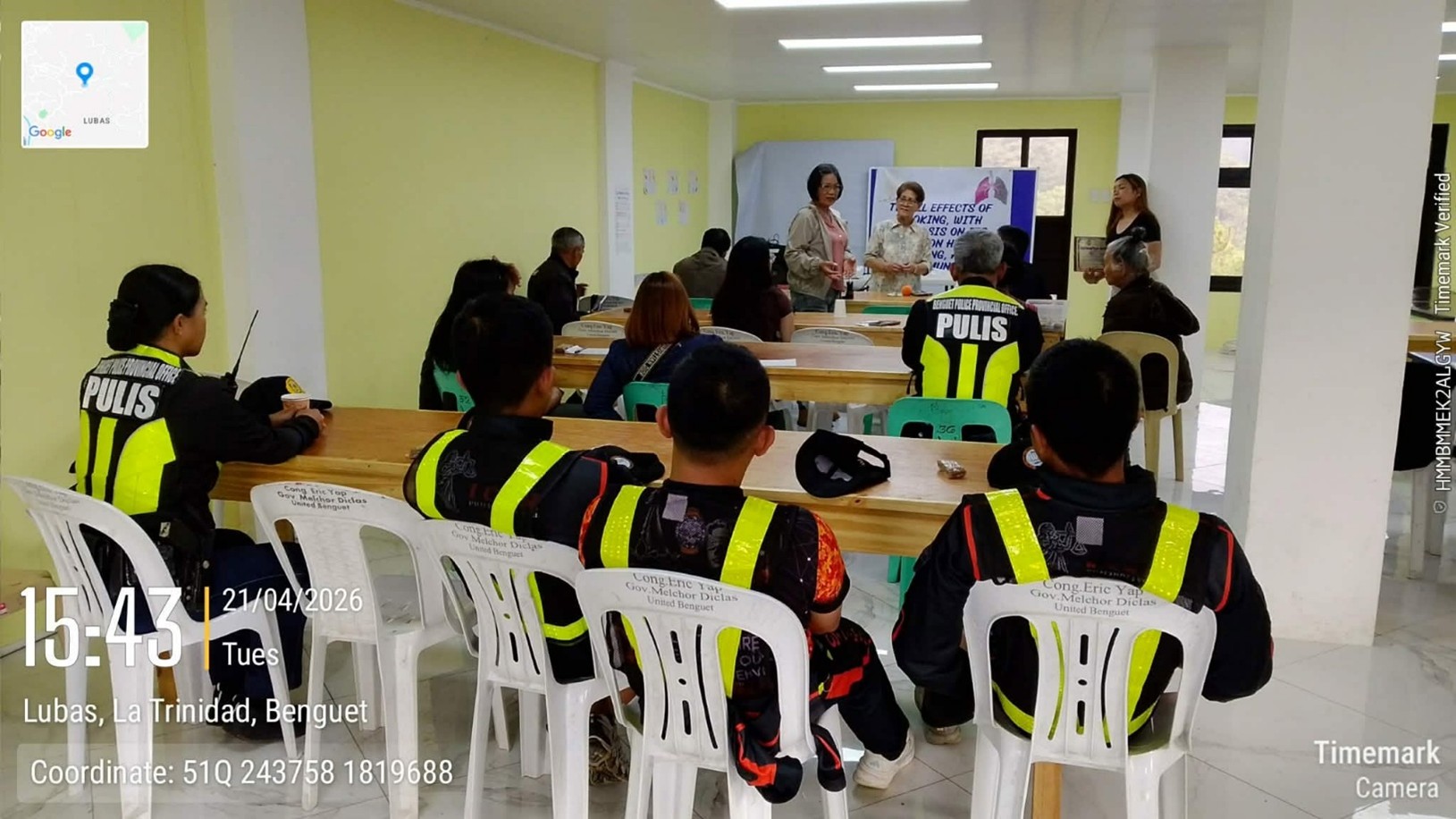
CCDC Criminology interns participate in a GAD and Leadership Lecture with police personnel and Lubas barangay officials, promoting gender sensitivity, inclusive leadership, and community cooperation.
Strengthening Career Exposure Through Collaboration with the Philippine National Police
CCDC also strengthens Criminology education through collaborative learning and community engagement activities involving the Philippine National Police.
Among these initiatives was a Cybercrime Awareness, Information, and Education Campaign conducted by personnel of the Regional Anti-Cybercrime Unit – Cordillera Administrative Region (RACU-CAR) at Iyaman Hall, Dakilan Building, CCDC, La Trinidad, Benguet.
The campaign introduced Criminology students to contemporary cybercrime concerns, including online scams, cyberbullying, identity theft, misinformation, and other cyber-enabled offenses.
Participants were also oriented on relevant cybercrime laws, responsible digital citizenship, online safety practices, and the fundamentals of cybercrime investigation and prevention.
The activity exposed students to emerging areas of criminal justice practice and highlighted the expanding responsibilities of modern law enforcement professionals.
Through such partnerships, CCDC provides opportunities for students, including women enrolled in Criminology, to develop competencies relevant to contemporary public safety and law enforcement.
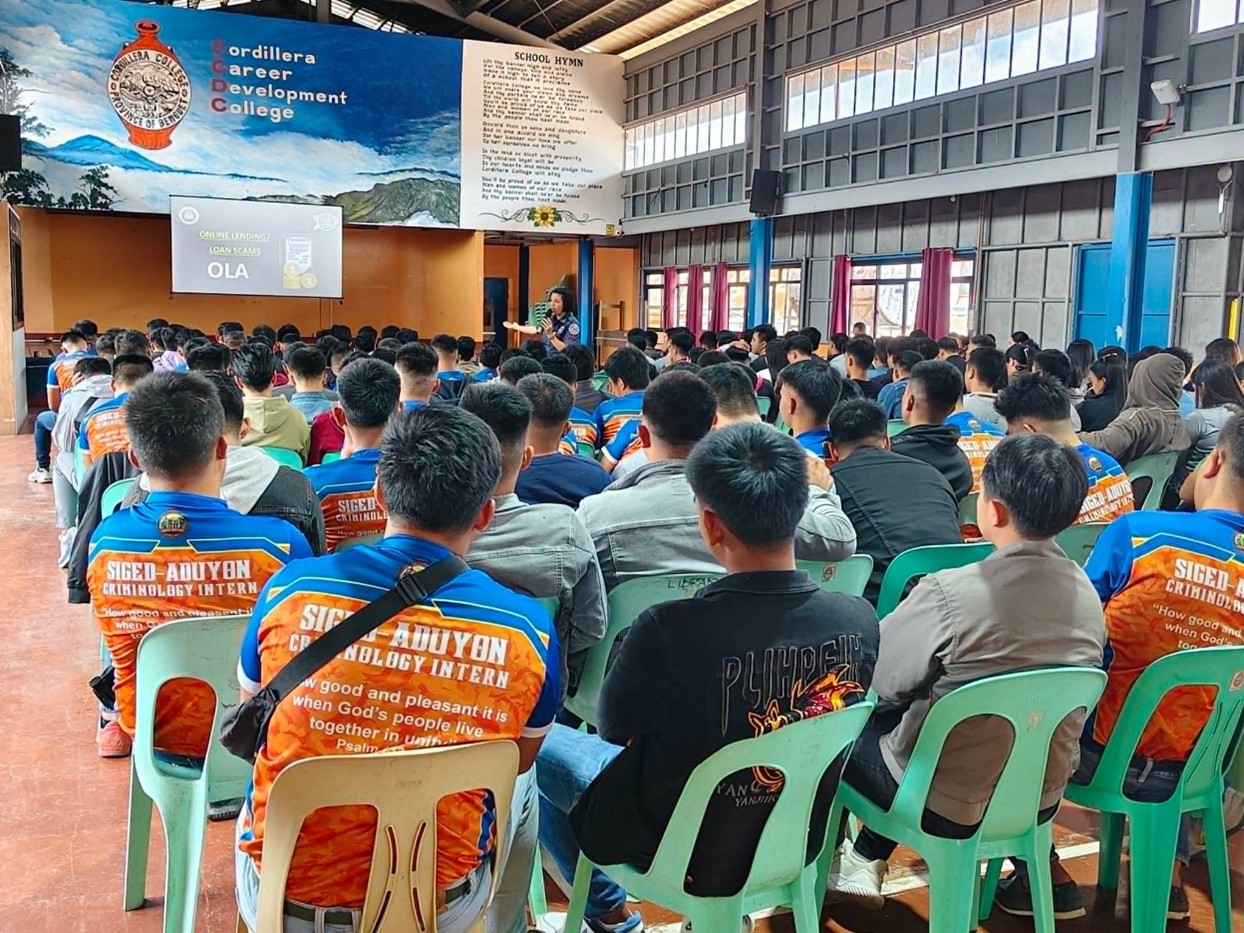
Personnel of RACU-CAR conduct a cybercrime awareness and education campaign for CCDC Criminology students, strengthening professional knowledge in cybercrime prevention, investigation, and digital safety.
Criminology Interns in Community-Based Public Safety Initiatives
CCDC’s partnership with the La Trinidad Municipal Police Station provides additional opportunities for Criminology students to participate in community-based public safety initiatives.
Documented activities involving CCDC Criminology interns and police personnel included crime prevention information campaigns, community patrols, road safety awareness, public assistance information dissemination, and engagement with residents and business establishments.
For instance, police personnel and CCDC Criminology interns engaged residents and business owners by sharing crime prevention reminders, summer vacation safety tips, and information on maintaining peace and order.
In another activity, interns assisted police personnel in distributing emergency hotline numbers and government agency contact information to residents, visitors, and business establishments.
Other documented activities included foot patrols in Upper Boted, Tawang, La Trinidad, and road safety information drives emphasizing responsible driving and crime prevention.
CCDC Criminology interns also joined police personnel in engaging traders and farmers at the Benguet Agri-Pinoy Trading Center, sharing reminders on preventing theft and pickpocketing.
These activities illustrate the diverse responsibilities associated with criminal justice professions, including public communication, community relations, preventive policing, and public assistance.
By involving students in community-based initiatives, CCDC supports practical learning and reinforces the value of service-oriented criminal justice education.
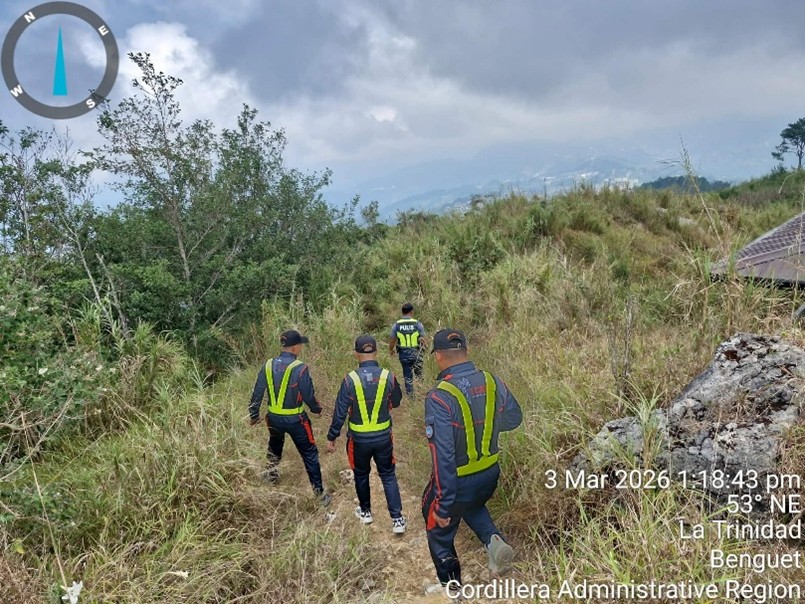

Figure 5. CCDC–PNP Community Safety Collaboration (Photo from PNP LA TRINIDAD MPS FB Page)
CCDC Criminology interns work alongside La Trinidad police personnel in crime prevention, public safety awareness, and community engagement activities.
Community Outreach Supporting Literacy and Child Protection
Beyond conventional law enforcement activities, CCDC Criminology students also participate in initiatives addressing educational and social concerns.
On November 15, 2024, Criminology interns from CCDC assisted struggling readers at Buyagan Elementary School through the Brigada Pagbasa program.
The activity provided individualized reading assistance to young learners to strengthen their reading skills and comprehension.
The initiative, organized under Lingap Pangkabataan Incorporated in collaboration with community volunteers, supported children facing educational disadvantages, including those at risk of child labor, abuse, and exploitation.
The participation of CCDC Criminology interns demonstrated the importance of community engagement, child protection, and social responsibility within criminal justice education.
The activity also highlighted the College’s collaboration with public educational institutions and community organizations in addressing local development needs.
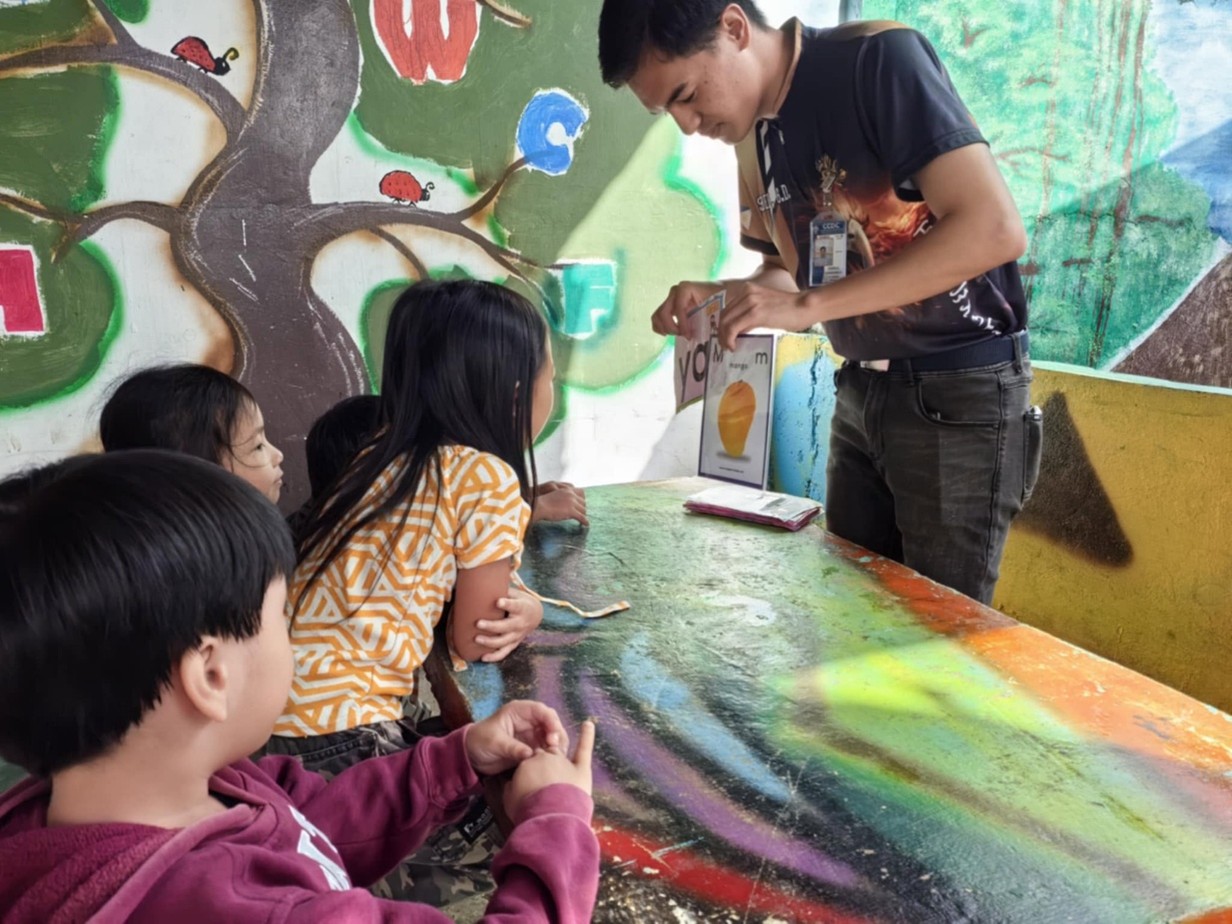
CCDC Criminology interns assist elementary school learners through the Brigada Pagbasa literacy initiative, demonstrating community service and collaboration with educational and community partners.
Environmental Responsibility and Disaster Preparedness
CCDC Criminology interns have likewise participated in environmental and disaster preparedness activities that support community safety.
On November 8, 2025, twenty Criminology Practicum 1 interns conducted canal-clearing activities along Buyagan Road, La Trinidad, Benguet, ahead of the anticipated effects of Typhoon Uwan.
The activity aimed to improve drainage conditions and reduce potential flooding risks by removing obstructions from waterways.
Through this initiative, students demonstrated the importance of environmental stewardship, disaster preparedness, teamwork, and civic responsibility.
Such activities reflect the broader scope of criminal justice education in protecting communities and supporting public welfare.
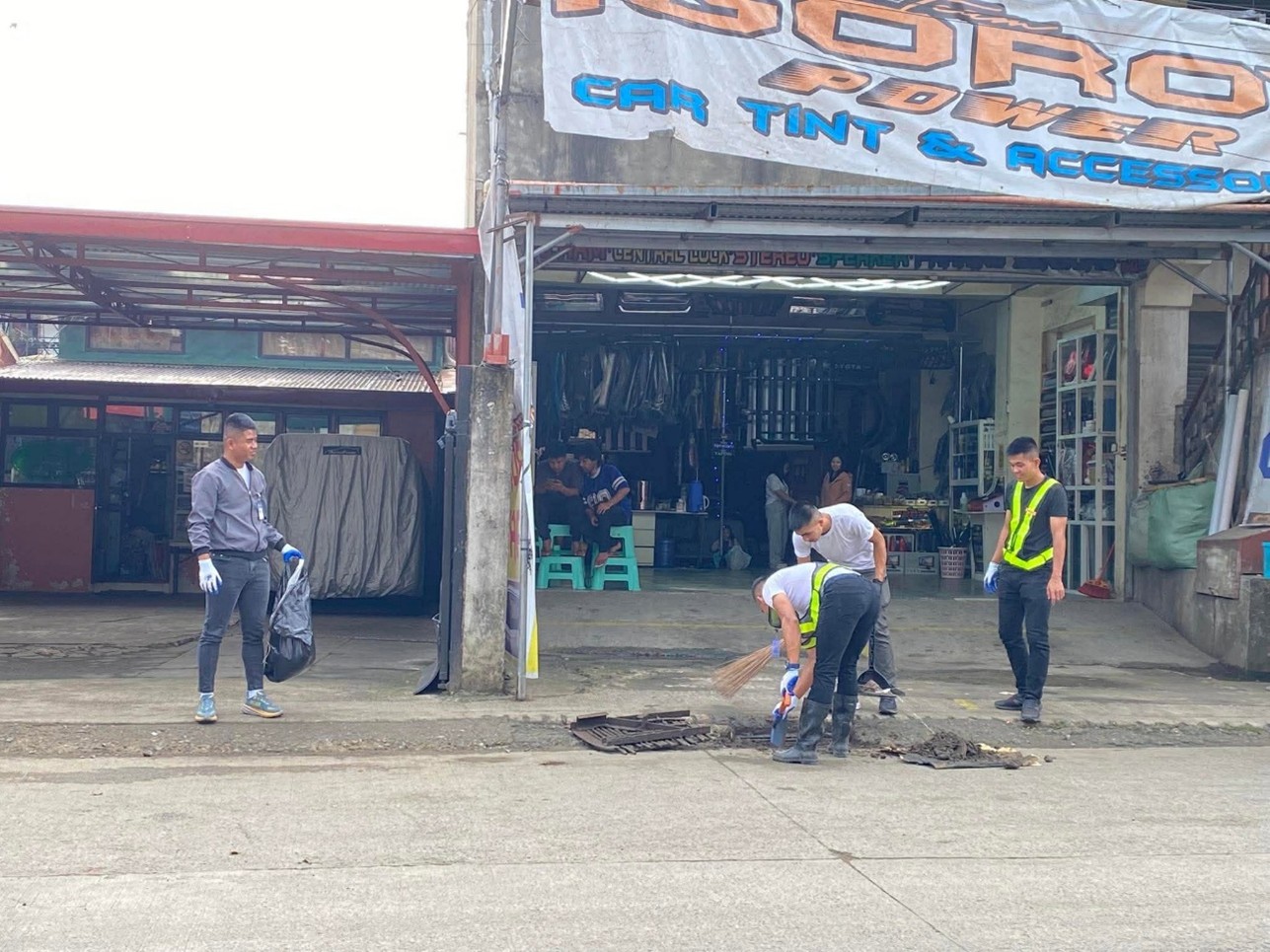
Twenty CCDC Criminology interns participate in canal-clearing activities along Buyagan Road on November 8, 2025, supporting community preparedness and environmental safety.
Academic Excellence as an Inspiration for Future Criminologists
CCDC’s commitment to academic excellence was demonstrated in the August 1–3, 2025 Criminologist Licensure Examination, where the College ranked third nationally among Category A top-performing schools.
The institution recorded 189 successful examinees out of 235, equivalent to an 80.43 percent passing rate.
Category A covers institutions with at least 200 examinees and an 80 percent or higher passing percentage.
The achievement reflected the College’s commitment to academic preparation, professional training, and student support.
Dean Dennis Butag emphasized that successful licensure examination preparation begins during students’ undergraduate education and that review programs should reinforce the competencies developed throughout the four-year curriculum.
This institutional achievement strengthens the College’s ability to communicate the academic and professional opportunities available to prospective Criminology students.
For women considering careers in criminal justice, information about the program’s academic accomplishments and professional pathways can help strengthen awareness of the opportunities available in the field.
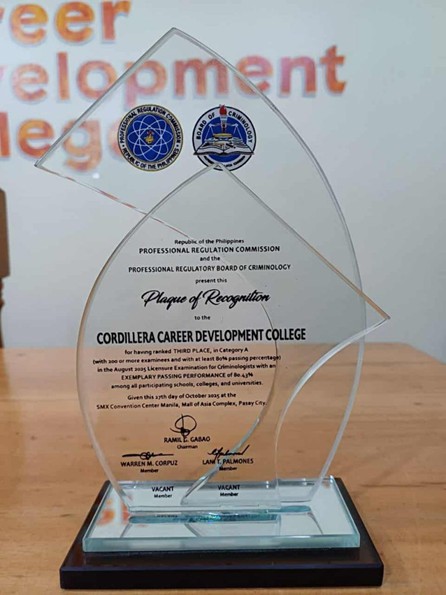
CCDC ranked third nationally in Category A during the August 2025 Criminologist Licensure Examination, producing 189 passers from 235 examinees and recording an 80.43 percent passing rate.
Sustaining Women’s Participation in Underrepresented Academic Disciplines
CCDC recognizes that encouraging women’s participation in Criminology requires sustained efforts in recruitment, career guidance, academic support, and institutional collaboration.
Its recruitment initiatives introduce prospective students to the opportunities available in criminal justice education, while its partnerships with police agencies, schools, barangay officials, and community organizations provide students with practical learning experiences.
Gender and Development activities further strengthen awareness of inclusive leadership and gender-responsive public service.
Together, these initiatives provide a foundation for expanding women’s participation in traditionally male-dominated fields. CCDC continues to promote educational opportunities in which prospective students are encouraged to select academic programs according to their interests, qualifications, and career goals rather than traditional gender expectations.
