

Cordillera Career Development College (CCDC) is strengthening its environmental sustainability efforts through energy monitoring, carbon footprint assessment, renewable energy generation, and energy conservation practices. By tracking electricity consumption, estimating carbon dioxide (CO₂) emissions, and identifying opportunities to improve energy efficiency, the College demonstrates a continuing commitment to responsible campus operations and climate action.
These initiatives support CCDC’s participation in the UI GreenMetric World University Rankings and contribute to the broader goals of reducing greenhouse gas emissions, improving resource efficiency, and promoting a more sustainable learning environment.
Monitoring Energy Consumption and Identifying Opportunities to Reduce Waste
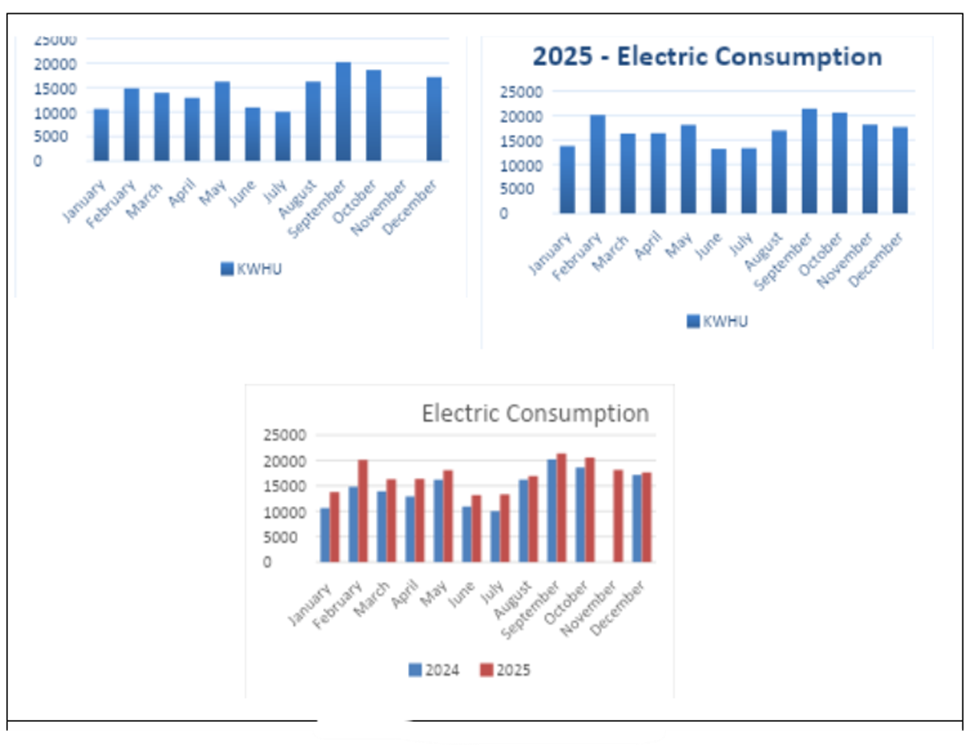
CCDC maintains annual electricity consumption records and reviews monthly usage patterns to understand changes in campus energy demand. These records provide a basis for identifying periods of increased consumption and determining where energy conservation measures may be needed.
According to the College’s Electricity Usage per Year evidence submitted for UI GreenMetric, CCDC consumed 233,190 kWh in 2025. Of which, 39,943.59 kWh come from renewable resources or 17.13%. The documented increase highlights the importance of examining energy use and strengthening conservation measures.
The monthly electricity consumption charts included in the evidence show variations in usage throughout the year. The report identifies October to December 2024 as a period of increased electricity consumption, attributed primarily to greater academic, institutional, and extracurricular activities. Extended use of lighting, office equipment, and other campus facilities contributes to higher energy demand during busy periods.
By examining these records, CCDC can identify months with higher consumption, investigate the activities and facilities contributing to increased demand, and prioritize opportunities to reduce unnecessary electricity use. The College also encourages its departments to assess their energy consumption and identify potential areas for conservation.
Assessing the College’s Carbon Footprint
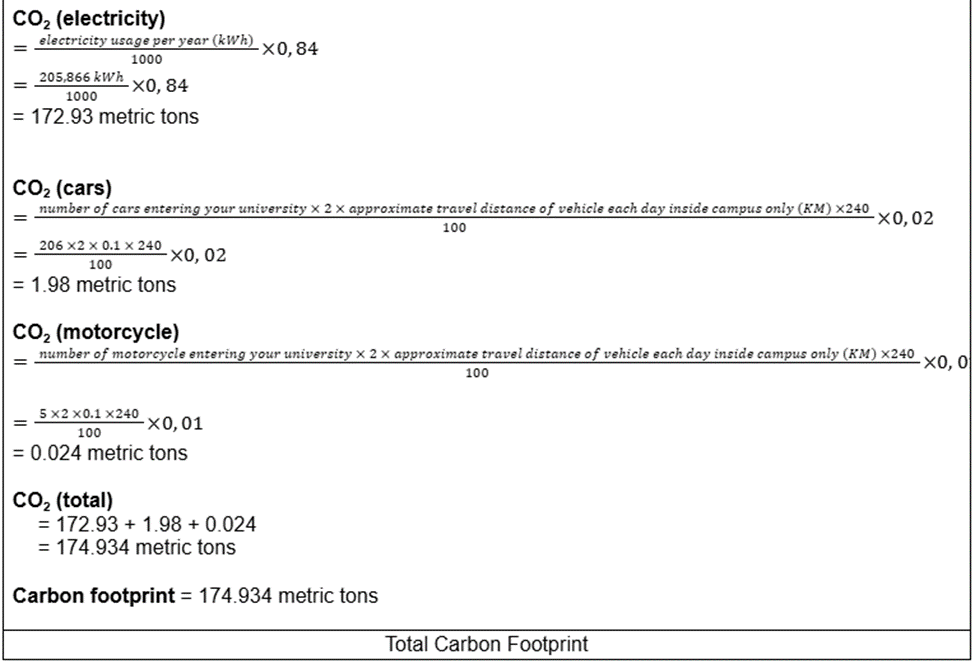
An important part of carbon management is measuring the emissions associated with campus operations. CCDC has documented a carbon footprint assessment using the calculation method recommended in its UI GreenMetric evidence template. The assessment estimates emissions associated with electricity consumption and vehicles entering the campus.
The College’s Total Carbon Footprint evidence reports the following estimates:
- Electricity-related CO₂ emissions: 172.93 metric tons.
- Car-related CO₂ emissions: 1.98 metric tons.
- Motorcycle-related CO₂ emissions: 0.024 metric tons.
- Total estimated carbon footprint: 174.934 metric tons of CO₂.
These figures provide a baseline for understanding the relative contribution of electricity use and campus vehicle movements to the institution’s estimated carbon footprint. Electricity accounts for the largest share of the reported total, indicating that reducing grid electricity consumption is an important area for continued improvement.
CCDC’s documentation also recognizes that major campus activities can increase both vehicle traffic and electricity demand. The College reports that it monitors energy consumption during these periods and promotes more efficient facility use, energy-conscious practices, and environmental awareness among students, faculty members, employees, and visitors.
Reducing Emissions through Renewable Energy and Energy-Efficient Facilities
CCDC complements its monitoring and assessment activities with measures intended to reduce energy demand and reliance on conventional electricity.
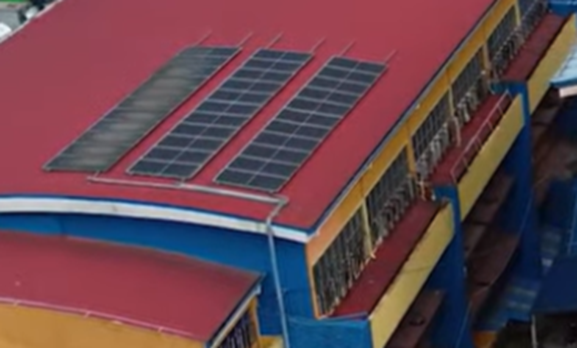
One key initiative is the installation of rooftop solar photovoltaic panels at the Saleng Building and the Tupay-ya Sports Center. According to the College’s renewable energy production evidence, the solar system generated 15,000 kWh, adding to the Province’s Electric Cooperative hydropower renewable energy source of 13,539.0858 kWh.
The College acknowledges that the solar photovoltaic system has not yet achieved its full operational efficiency because of initial installation issues and the need for recalibration. Further technical assessment, repairs, and system optimization have been scheduled to improve performance and increase renewable energy generation.
CCDC also promotes energy efficiency through LED lighting, energy-conscious building practices, and the use of energy-efficient appliances. Its Energy Efficient Appliances Usage evidence reports that 150,000 of 250,000 listed LED lights are classified as energy-efficient, or 60%, while 50 of 150 listed fans are classified as energy-efficient, or approximately 33%. The document reports an average of 46% across these appliance categories.
These measures help the College identify opportunities to improve equipment efficiency, limit avoidable electricity consumption, and reduce emissions associated with purchased electricity.
Managing Campus Transportation and Air Emissions
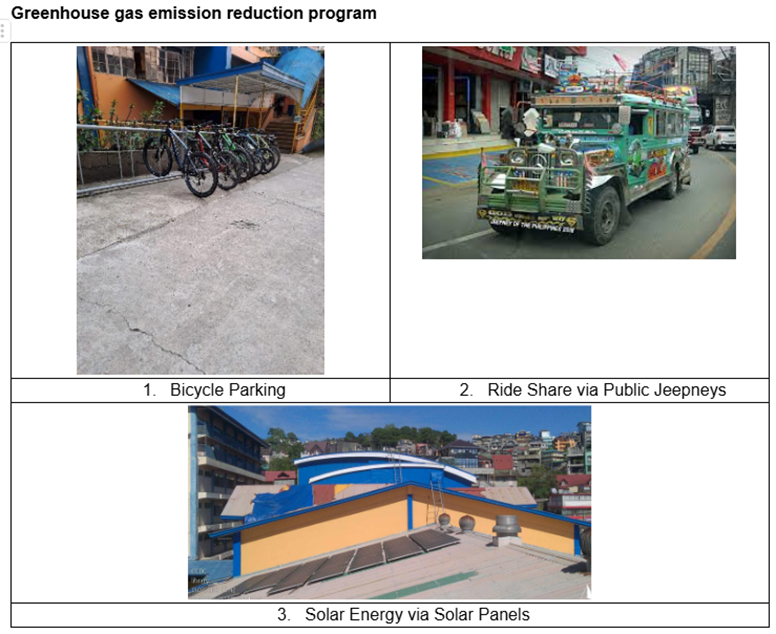
CCDC also recognizes the role of transportation in reducing its environmental impact. Its greenhouse gas emission reduction program documents designated bicycle parking and access to public jeepney routes serving the campus. These measures encourage students and employees to consider alternatives to privately owned vehicles.
The College’s carbon footprint assessment includes estimated emissions from cars and motorcycles entering campus, while its emission reduction program explains how bicycle use and public transportation can help reduce vehicle numbers, traffic congestion, and associated air pollution.
Together, these practices support a broader approach to campus carbon management by addressing both electricity-related emissions and transportation-related impacts.
A Continuing Commitment to Energy Review and Climate Action
CCDC’s documented practices establish a foundation for ongoing carbon management: maintaining electricity consumption records, examining monthly usage patterns, estimating carbon emissions, promoting energy-efficient technologies, and investing in renewable energy. These activities help the College understand its environmental impact and identify areas where improvements may yield the greatest benefits.
As the College continues to refine its solar power system and strengthen energy conservation, regular review of electricity records, building-level consumption, equipment efficiency, and high-demand periods can further guide its priorities. Such reviews can help distinguish areas of avoidable energy waste from increases associated with essential academic and institutional activities.
Through these efforts, CCDC advances its commitment to responsible energy use and greenhouse gas emission reduction, supporting Sustainable Development Goal 7 (Affordable and Clean Energy) and Sustainable Development Goal 13 (Climate Action).
