

Access to healthy, affordable, and nutritious food is an important part of creating a supportive campus environment. At Cordillera Career Development College (CCDC), food concessionaires are expected to provide food choices that promote health and well-being while maintaining food safety, affordability, and responsible environmental practices.
Through its canteen lease agreements and the monitoring of food stalls by the Business Office, CCDC promotes healthier food preparation, reasonable food prices, and compliance with institutional food policies. These measures support the College’s commitment to student and employee welfare and contribute to the United Nations Sustainable Development Goals, particularly SDG 2: Zero Hunger and SDG 3: Good Health and Well-Being.
Promoting Healthy and Inclusive Food Choices
CCDC promotes access to nutritious, affordable, and diverse food choices for students, employees, and other members of the campus community through specific requirements incorporated into its canteen stall lease agreements. These provisions guide concessionaires in preparing and serving food that supports health and well-being while maintaining food safety, sanitation, and compliance with institutional food policies.
Under the lease agreement, concessionaires are required to regularly clean tables and maintain the cleanliness of their stalls and the quality and safety of the food they serve. They are expected to reduce the serving of excessively salty and oily foods and prioritize natural food products over those containing preservatives. Their offerings are focused on cooked meals, budget meals, and snacks that cater to the needs of the campus community.
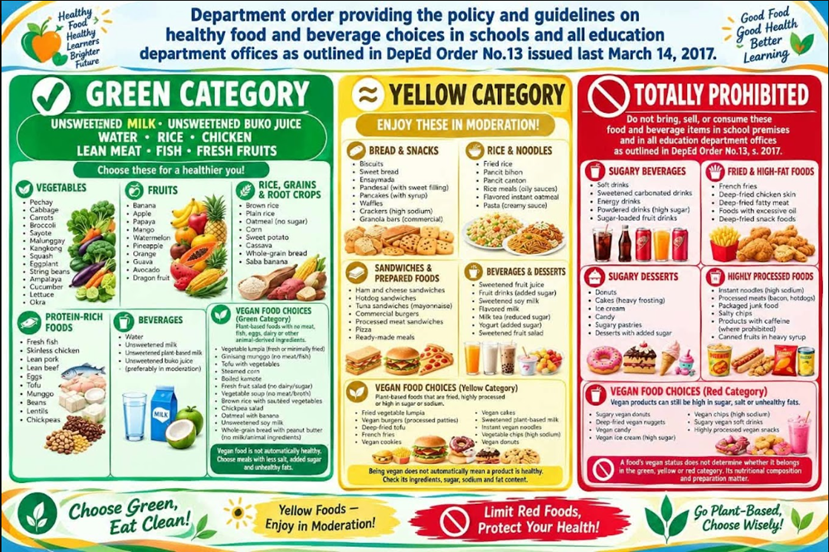
The contract also prohibits the sale of beer, liquor, cigarettes, and other products identified as hazardous or prohibited under applicable institutional and government policies. It further provides restrictions on carbonated drinks, artificially flavored or sugar-based synthetic juices, junk food, and other food products that may be detrimental to health. These provisions reinforce the College’s commitment to promoting healthier food and beverage choices on campus.
In line with these requirements, the lease agreement emphasizes the availability of nutrient-rich foods, including root crops, rice and corn products, and seasonal fruits and vegetables. It also provides for the use of iodized salt in controlled quantities and the regulation of monosodium glutamate (MSG) in food preparation. Through these measures, CCDC encourages concessionaires to offer food that is not only accessible and affordable but also prepared with attention to nutritional quality.
Inclusive Choices for Diverse Dietary Needs
CCDC’s food-service provisions also recognize that food preferences and dietary practices vary according to geographical, cultural, and religious backgrounds. The lease agreement calls for healthier food and beverage choices for students, institutional personnel, and other stakeholders, as well as a system for categorizing locally available food and drinks in consideration of these differences.
Consistent with this commitment, the College promotes menu variety, including vegetarian options alongside other balanced meal choices. Offering plant-based meals can help accommodate individuals whose dietary preferences or practices are shaped by health considerations, personal choices, culture, or religion. Expanding the availability of vegetable-based dishes and meals prepared with locally available produce can also support more sustainable food choices.
The College’s food policies further provide guidance for evaluating and categorizing food and beverages and for their sale and marketing. Concessionaires are required to comply strictly with the prescribed food-serving schedule, including the designated YELLOW category schedule on Mondays, Wednesdays, and Fridays, and the prohibition on serving food classified under the RED category.
Monitoring Compliance for a Healthier Campus
The CCDC Business Office monitors food stall operations and communicates requirements to concessionaires, including conditions for contract renewal. These requirements encourage improvements in menu variety, the inclusion of more fruits and vegetables, proper sanitation, food safety, reduced serving of greasy and salty foods, and compliance with the prescribed serving schedule.
Through these contractual provisions and monitoring measures, CCDC promotes a campus food environment that prioritizes nutritious and affordable meals, accommodates diverse dietary preferences, and encourages responsible food-service practices. By making healthier choices more accessible to students and employees, the College reinforces its commitment to campus well-being and its broader contribution to the United Nations Sustainable Development Goal 2: Zero Hunger and Goal 3: Good Health and Well-Being.
Keeping Campus Meals Affordable
Healthy food should also be accessible to students and employees with limited budgets. CCDC incorporates food-related requirements into its annual lease contracts with campus canteen concessionaires, including provisions that support affordable meals and snacks.
The Business Office monitors concessionaire compliance with the terms of their contracts and applicable institutional policies. Through these arrangements, CCDC encourages food stalls to provide practical, reasonably priced meal options without compromising food quality, sanitation, or nutritional value.
According to Jeffrey Cawayan, Business Officer who takes charge in monitoring prices at the school canteen, “we are open to client feedback regarding the food sold and prices at the school canteen. We ensure we coordinate with canteen concessionaires and respond to concerns raised by parents or even members of the academic community”.
This approach recognizes that affordable food access is essential to student welfare and helps create a campus environment where nutritious meals are within reach of more members of the community.
Sustainable Food Practices and Responsible Operations
CCDC’s commitment to better campus dining extends beyond the food served. Its lease agreements require concessionaires to observe cleanliness and proper sanitation, comply with food-safety requirements, and follow institutional waste-management practices.
Food stall operators are required to reduce campus waste by avoiding prohibited disposable materials, properly disposing of used cooking oil, segregating waste, and bringing stall-generated garbage to designated disposal areas. These measures encourage more responsible food-service operations and help maintain a clean and healthy campus.
By integrating food quality, sanitation, and waste reduction into its concessionaire requirements, CCDC promotes a campus dining environment that considers both human well-being and environmental responsibility.
Business Office Monitoring and Contract Renewal
The CCDC Business Office plays an important role in ensuring that campus food concessionaires meet the College’s expectations for healthy, safe, and responsible food service. Under the lease agreements, contract renewal is subject to satisfactory performance and compliance with the stipulated terms and conditions.
The Business Office communicates specific requirements to concessionaires as part of the renewal process. In a notice dated January 10, 2025, the Business Officer informed a concessionaire that the renewal application had been approved subject to the following conditions:
- Improve menu variety by adding more vegetables and fruits.
- Maintain cleanliness in the food stall and serving areas.
- Reduce greasy and salty foods to encourage healthier food choices.
- Observe food-safety practices, including the use of appropriate protective equipment such as face masks and hairnets.
- Follow the prescribed food-serving schedule in accordance with campus food policies.
These conditions demonstrate how the Business Office translates the College’s food-service policies into specific operational expectations for concessionaires. Continued compliance with lease requirements and institutional policies forms part of the basis for maintaining their authorization to operate on campus.
Through monitoring, feedback, and renewal conditions, CCDC encourages concessionaires to improve their offerings and maintain standards that support the health and welfare of students, employees, and other campus users.
Building a Healthier Campus Through Better Food Choices
CCDC recognizes that a healthy campus involves more than access to education. It also means creating an environment where students and employees can obtain affordable, nutritious food, find choices suited to their dietary preferences, and enjoy meals prepared and served under appropriate safety and sanitation standards.
By promoting healthier menus, encouraging vegetarian and vegan choices, regulating food stall operations, and incorporating environmental responsibilities into lease agreements, CCDC continues to strengthen its approach to campus food services.
These efforts reflect the College’s commitment to a more inclusive and sustainable dining environment—one where healthy food choices, affordability, responsible operations, and the well-being of the entire campus community remain shared priorities.
